
Choosing the Right Fishing Equipment: A Comprehensive Guide


Understanding Your Fishing Needs
Choosing the right fishing equipment begins with understanding your specific needs. Are you planning to fish in freshwater or saltwater? Do you prefer fly fishing or spin fishing? Each type of fishing requires distinct gear, and selecting the right equipment can significantly enhance your experience.
Consider the species of fish you are targeting. Larger fish will need stronger rods and heavier lines, while smaller fish can be caught with lighter tackle. Knowing your target species will guide you in selecting the proper gear.

Fishing Rods and Reels
The fishing rod is the cornerstone of your equipment. When selecting a rod, consider the material, length, and action. Graphite rods are lightweight and sensitive, while fiberglass rods are durable and flexible. The length of the rod should match your fishing environment and style.
Reels are equally important. Spinning reels are versatile and user-friendly, making them ideal for beginners. Baitcasting reels offer more control and power, suitable for advanced anglers. Make sure to match your reel with the appropriate rod for optimal performance.
Lines, Hooks, and Baits
Fishing lines come in various types, including monofilament, fluorocarbon, and braided. Each offers distinct advantages. Monofilament is versatile and easy to handle, while fluorocarbon is nearly invisible underwater. Braided lines provide strength and sensitivity.
Hooks and baits are crucial for attracting and catching fish. Choose hooks based on the size of your quarry and the type of bait you plan to use. Live bait, artificial lures, and flies all require different setups, so be sure to equip yourself accordingly.

Accessories and Safety Gear
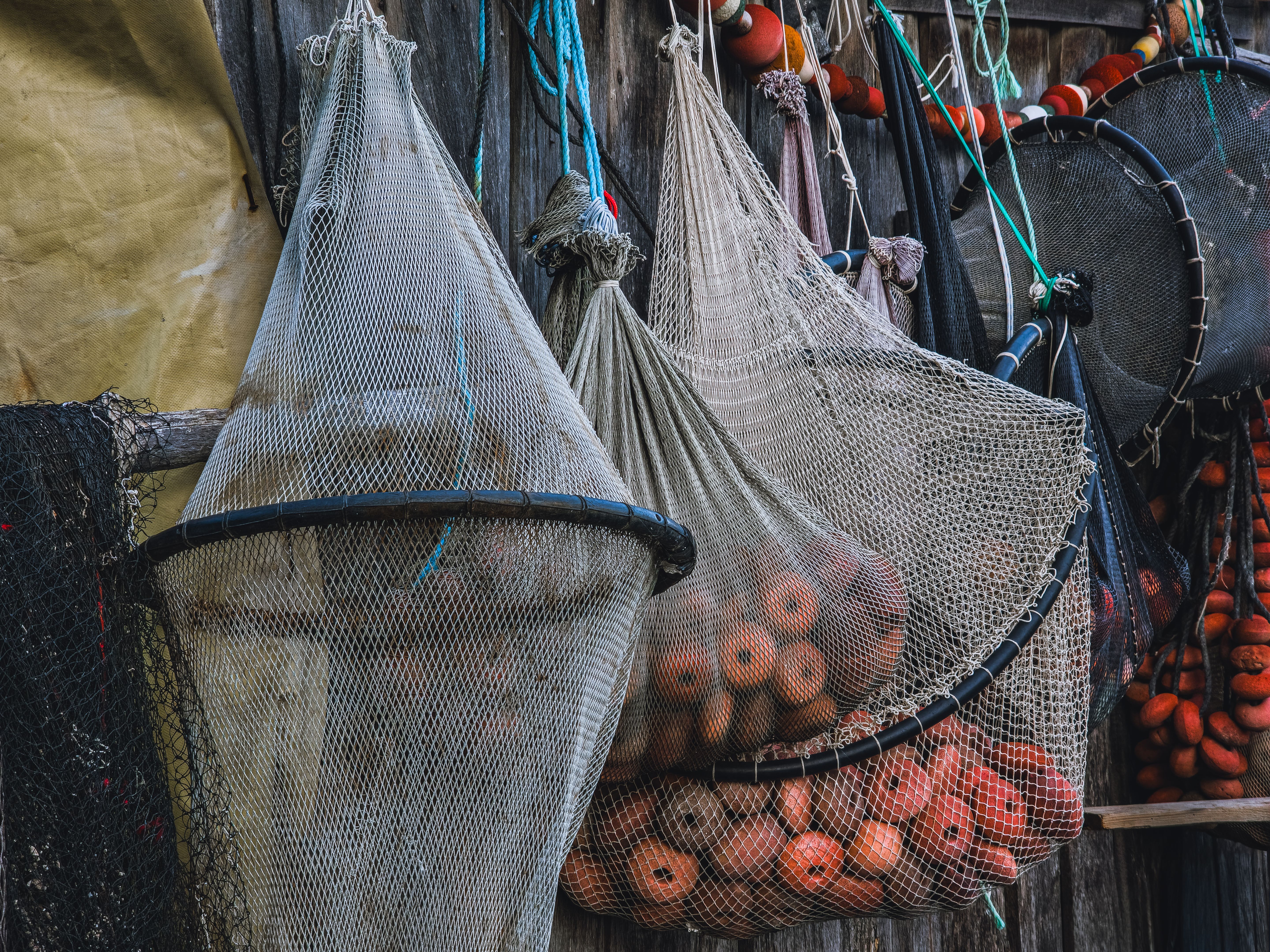
Don't overlook the importance of accessories and safety gear. A well-stocked tackle box, a reliable pair of pliers, and a sharp knife are essential. Additionally, consider investing in a fishing vest or backpack to keep your gear organized and accessible.
Safety should always be a priority. Wear a life jacket when fishing on a boat, and use polarized sunglasses to protect your eyes from the sun and improve visibility in the water. Sunscreen and a hat will also guard against harmful UV rays.
Research and Test
Before purchasing any equipment, research different brands and models. Customer reviews and expert opinions can provide valuable insights. Visiting a local fishing shop can also be helpful, as staff can offer personalized advice and recommendations.
Testing your equipment in various conditions will help you understand its performance and limitations. This hands-on experience is invaluable in refining your choices and ensuring you have the best gear for your fishing adventures.
Conclusion
Choosing the right fishing equipment requires careful consideration of your fishing style, target species, and personal preferences. By understanding the various components and their purposes, you can make informed decisions that enhance your fishing experience. Whether you're a novice or a seasoned angler, the right gear will make your time on the water more enjoyable and successful.