
DIY Tips for Maintaining Your Fishing Equipment


Regular Cleaning and Inspection
Maintaining your fishing equipment is essential for ensuring its longevity and performance. Regular cleaning and inspection are the first steps. Start by rinsing your rods, reels, and lures with fresh water after each fishing trip. This helps remove salt, dirt, and debris that can cause corrosion.
Inspect your equipment for any signs of wear and tear. Look for cracks in the rod, frayed line, or rust on metal parts. Addressing these issues early can prevent more significant problems down the line.
Proper Storage Techniques
Storing your fishing gear properly is crucial. Keep your rods in a vertical position to prevent warping. Use rod holders or racks to maintain their shape. Store reels in a cool, dry place to avoid moisture build-up, which can lead to rust.
Ensure that your tackle box is organized and dry. Use dividers to keep lures and hooks separate, and consider using silica gel packs to absorb moisture.
Reel Maintenance
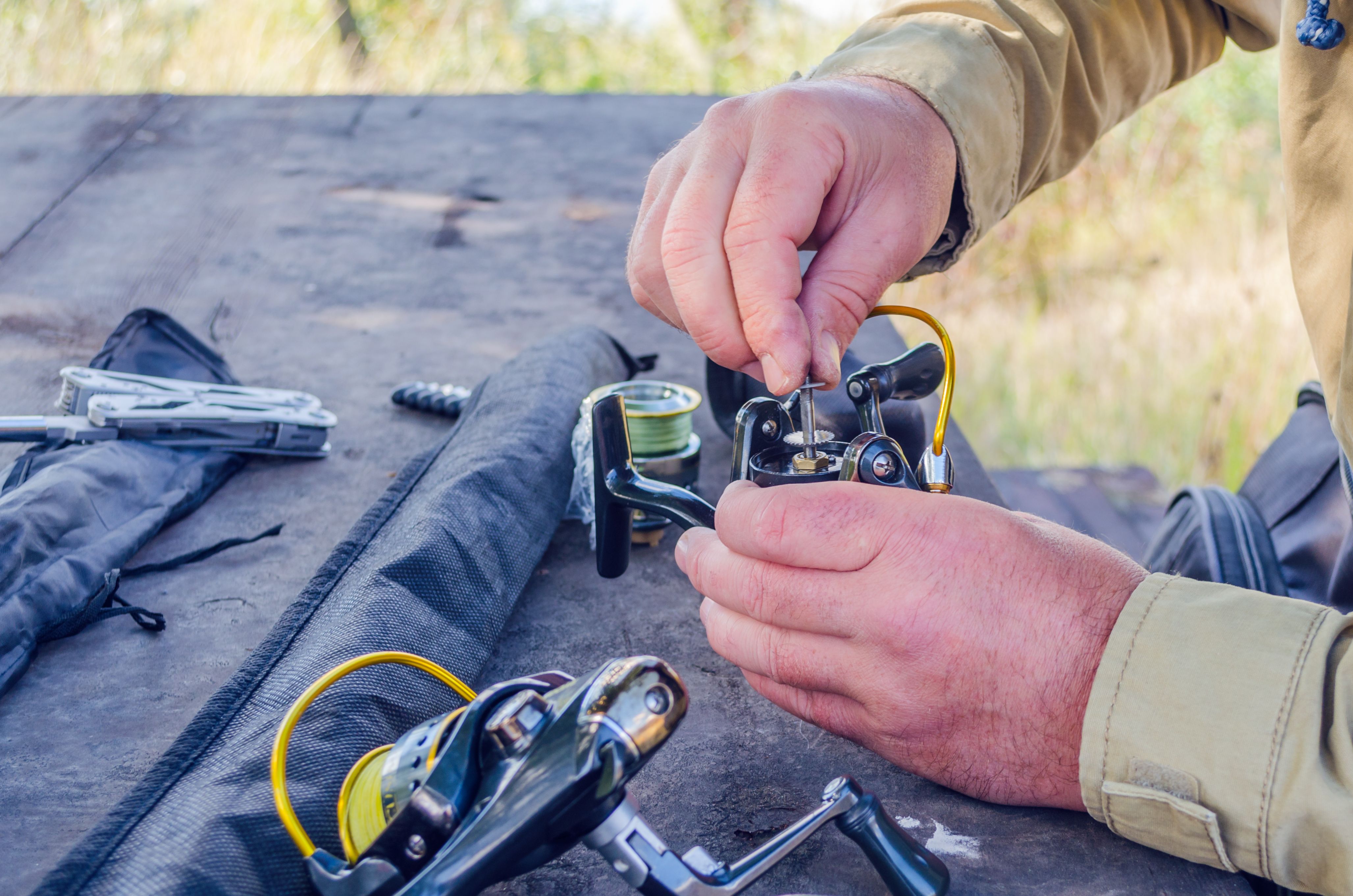
Reels are a vital part of your fishing equipment and require regular maintenance. Disassemble the reel according to the manufacturer’s instructions and clean each part with a soft cloth. Apply a thin layer of lubricant to moving parts to ensure smooth operation.
Line Care and Replacement
The fishing line is often overlooked but plays a critical role in successful fishing. Check your line for nicks and abrasions regularly. These can weaken the line and cause it to snap under pressure. Replace your line at least once a season or more frequently if you fish often.
Consider using a line conditioner to keep the line supple and reduce memory, which can cause tangling.
Sharpening Hooks
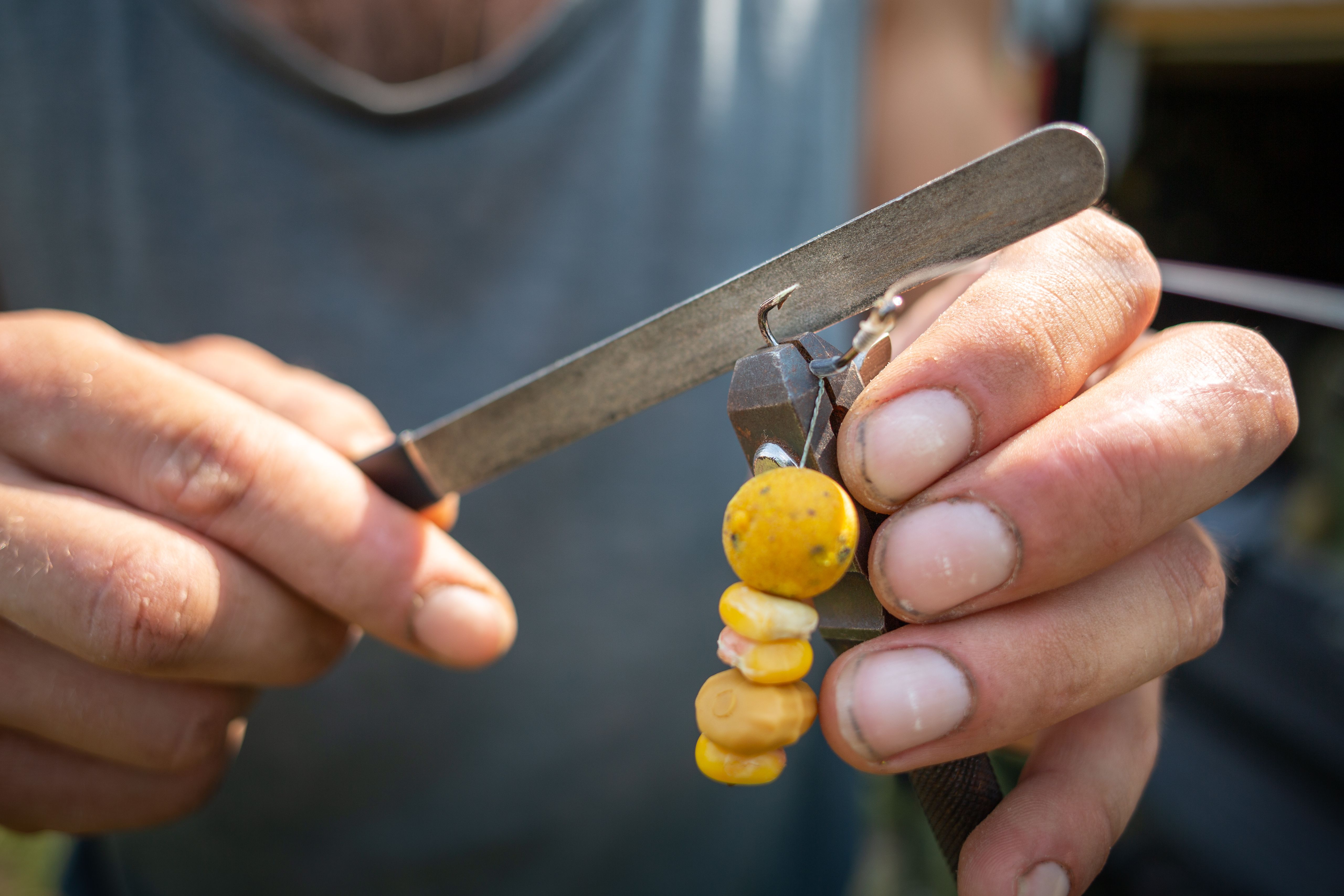
Sharp hooks are essential for successful fishing. Dull hooks can lead to missed catches. Use a hook sharpener or a fine file to maintain the sharpness of your hooks. A well-sharpened hook should easily penetrate your fingernail with light pressure.
Troubleshooting Common Issues
Even with proper maintenance, issues can arise. Common problems include reel drag failure or line twist. For drag issues, check for dirt or debris in the drag washers and clean them thoroughly. Line twist can often be resolved by letting the line out behind a moving boat to remove twists.
Consult your equipment’s manual or seek professional help if problems persist.
Seasonal Equipment Check
At the start and end of each fishing season, perform a comprehensive check of your equipment. Tighten screws, replace worn-out components, and ensure everything is in working order. This seasonal check helps prevent unexpected failures during your trips.

Conclusion
Maintaining your fishing equipment is not only about prolonging its life but also about enhancing your fishing experience. By following these DIY tips, you can ensure that your gear is always ready for the next big catch. Remember, taking care of your equipment is an investment in your fishing success.