
How to Navigate Local Fishing Regulations and Permits


Understanding Local Fishing Regulations
Fishing is a beloved pastime for many, offering both relaxation and the thrill of the catch. However, before casting your line, it's crucial to understand the local fishing regulations in your area. These rules are designed to conserve fish populations and ensure a sustainable environment for future generations.
Local fishing regulations can vary significantly depending on the region, type of water body, and even the season. Familiarizing yourself with these rules can help you avoid potential fines and contribute to conservation efforts.

Researching Regulations and Permits
One of the first steps in navigating local fishing regulations is conducting thorough research. Most regions have dedicated websites that provide up-to-date information on fishing rules and permit requirements. These resources often include details on allowable fishing methods, size and bag limits, and specific seasonal restrictions.
Additionally, local fishing clubs and community groups can be valuable sources of information. They often have seasoned anglers who are familiar with the intricacies of local regulations and can offer practical advice.
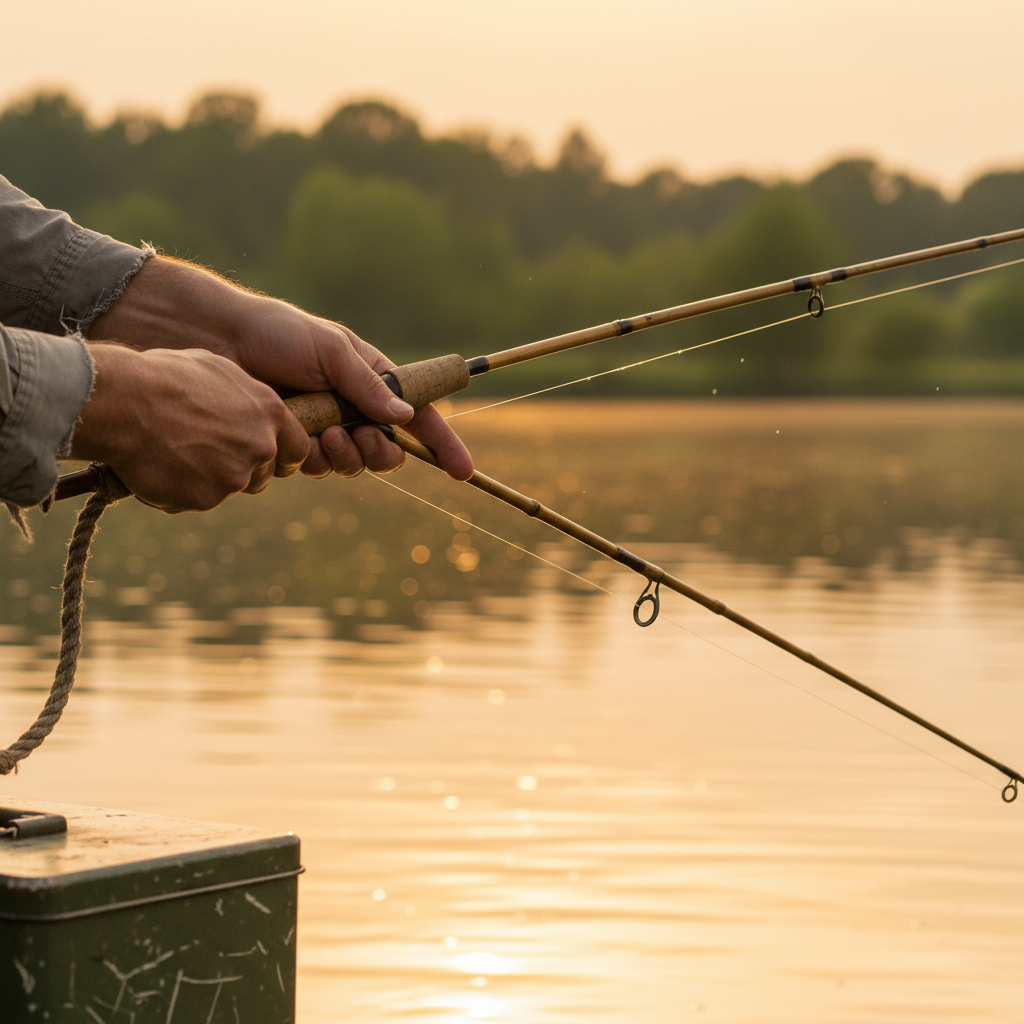
Obtaining the Necessary Permits
In many areas, a fishing license or permit is required before you can legally fish. These permits can usually be purchased online or at local sporting goods stores. It's important to determine which type of permit you need, as different permits may be required for freshwater vs. saltwater fishing, or for specific species.
Make sure to keep your permit with you while fishing, as wildlife officers may request to see it. Failing to produce a valid permit can result in fines and penalties.

Staying Informed About Changes
Fishing regulations are often updated to reflect changes in fish populations and environmental conditions. As a responsible angler, it's important to stay informed about any new rules or amendments. Subscribe to newsletters or alerts from local wildlife agencies to receive timely updates.
Regularly checking official websites or contacting local authorities can also help ensure you're aware of any immediate changes that might affect your fishing plans.
Understanding Conservation Efforts
Local fishing regulations are often tied to broader conservation efforts aimed at protecting aquatic ecosystems. Understanding these initiatives can enhance your appreciation for the regulations and motivate adherence to them. Many regions have programs focused on habitat restoration, invasive species control, and sustainable fishing practices.
By participating in local conservation efforts, anglers can play an active role in preserving the environments they enjoy.
Conclusion
Navigating local fishing regulations and permits is a crucial aspect of being a responsible angler. By familiarizing yourself with the rules, obtaining the necessary permits, and staying informed about changes, you can enjoy fishing while contributing to conservation efforts. Remember, responsible fishing today ensures that future generations can enjoy the sport tomorrow.